
The Allure of Casino Gaming
The allure of casino gaming can be attributed to a complex interplay of psychological factors that draw individuals into these vibrant environments. Many people find themselves captivated by the sensory experiences offered by casinos, including bright lights, engaging sounds, and enticing aromas. These elements create an atmosphere that stimulates excitement and anticipation, prompting players to enter a state of heightened arousal that enhances their overall experience, particularly when they indulge in online pokies that add to the thrill of the moment. The brain’s reward system is activated within this environment, making players feel more alive and engaged.
Moreover, the thrill of uncertainty plays a significant role in the appeal of gambling. The element of chance, where outcomes remain unpredictable, creates a magnetic pull for many individuals. This unpredictability can result in a strong emotional response, as players oscillate between hope and despair with each spin of the wheel or roll of the dice. The excitement tied to this uncertainty can lead to an adrenaline rush, incentivizing players to continue engaging despite potential losses. This cycle of excitement and risk is deeply embedded in the human psyche.
Finally, the social aspect of casino gaming cannot be overlooked. Many players enjoy the communal experience of gambling, where they can interact with others and share their victories or defeats. This social interaction not only enhances the enjoyment of the game but can also reinforce gambling behavior through group dynamics. Friends may encourage one another to play, creating a collective thrill that can amplify individual experiences. Such social connections often outweigh the negative consequences of gambling for many, further perpetuating the allure of casino environments.
The Role of Cognitive Biases
Cognitive biases significantly influence gambling behavior, leading individuals to develop misconceptions about their chances of winning. One common bias is the illusion of control, where gamblers believe they can influence outcomes in games of chance through skill or strategy. This illusion fosters a sense of empowerment, encouraging players to keep trying for a win despite the random nature of the games. Such biases often lead to a mismatch between reality and perception, which can cause players to sustain their gambling activities despite losses.
An additional cognitive bias prevalent in gambling is the availability heuristic, where individuals judge the likelihood of events based on the ease with which examples come to mind. If a player recalls recent wins or stories of others winning big, they may overestimate their chances of winning. This tendency can keep players engaged in gambling longer than they should, as they fall prey to the belief that they are destined to win based on recent successes. This cognitive trap can create a vicious cycle that encourages ongoing participation.

Lastly, the concept of „near misses“ plays a critical role in reinforcing gambling behavior. Near misses occur when players come close to winning but ultimately lose, which can generate feelings of frustration and motivation to continue playing. Psychologically, these instances can lead gamblers to believe they are closer to winning, making them less likely to walk away after a loss. This phenomenon is a key element in many casino games, reinforcing the desire to keep playing and perpetuating the gambling cycle.
The Impact of Environment on Gambling Behavior
The environment in which gambling takes place has a profound impact on player behavior and decision-making. Casinos are designed with specific layouts and features that maximize the time spent by patrons. The absence of clocks and windows, combined with comfortably designed seating areas, encourages players to lose track of time, leading them to gamble longer than intended. This carefully crafted environment capitalizes on players’ immersion, creating a sense of urgency and excitement that can be hard to escape.
Sensory elements also play a vital role in shaping the gambling experience. The sounds of slot machines, the rustle of chips, and the cheers and gasps from nearby tables combine to create an exhilarating ambiance. These sounds can activate feelings of joy and belonging, making players more likely to engage further with the games. Additionally, the use of colors and themes in slot machines and game tables is strategically designed to evoke specific emotions, often leaning towards brighter hues that enhance feelings of happiness and excitement.
Furthermore, the strategic placement of amenities such as bars and restaurants within casinos serves to enhance player retention. While patrons take breaks or enjoy a meal, they often find themselves tempted to return to gaming activities. This integration of leisure with gambling maintains the momentum of play, blurring the lines between entertainment and risk. As players are drawn deeper into the casino environment, their decision-making may become less rational, making them vulnerable to impulsive gambling behaviors.
The Emotional Challenges of Gambling
Many gamblers experience a tumultuous emotional landscape influenced by their gaming activities. The highs of winning can be exhilarating but are often followed by lows when losses occur. This rollercoaster of emotions can lead to a cycle of chasing losses, where individuals continue to gamble in hopes of recovering lost amounts. Such behavior can be damaging both financially and psychologically, leading to a range of emotional challenges, including stress, anxiety, and depression.
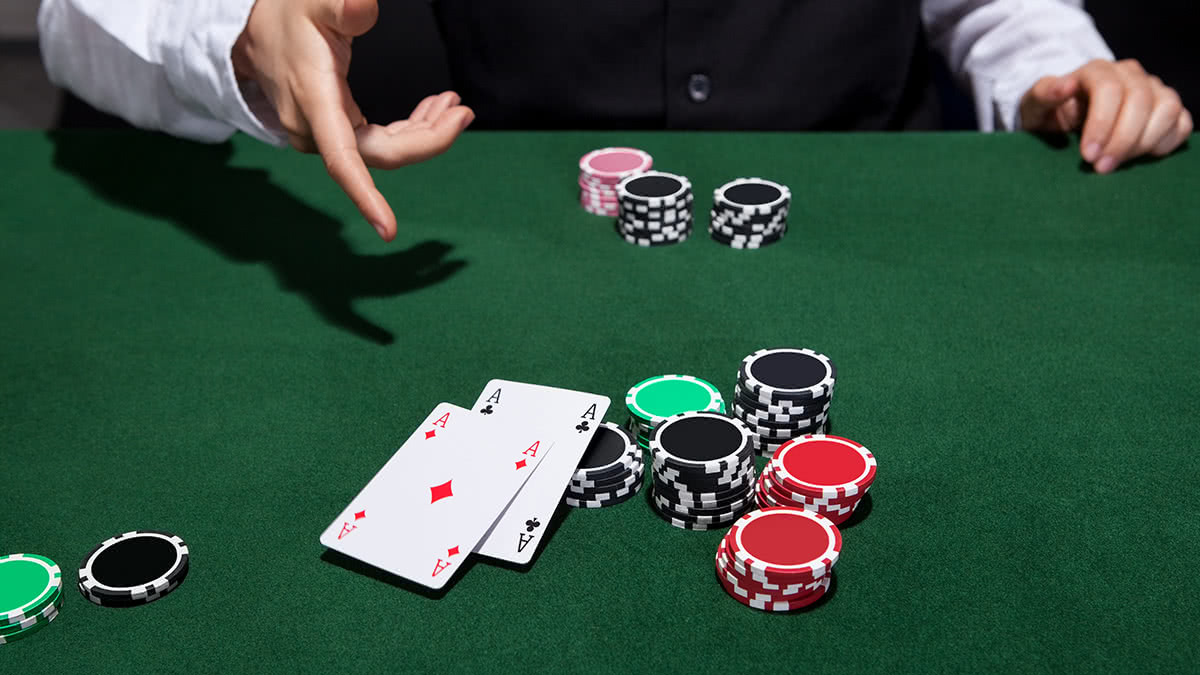
Another emotional challenge faced by gamblers is the stigma associated with gambling addiction. Many individuals struggle in silence, fearing judgment from peers and family members. This stigma can prevent individuals from seeking help, as they may believe their gambling habits should remain hidden. The pressure to maintain a façade can exacerbate feelings of shame and guilt, leading to a downward spiral of compulsive behavior. This emotional burden adds complexity to the gambling experience, further complicating efforts to find balance.
Support systems, whether through professional help or mutual support groups, can play a crucial role in addressing these emotional challenges. Understanding the psychological aspects of gambling helps individuals recognize harmful patterns and take steps toward healthier behaviors. Resources and support networks can foster awareness and encourage gamblers to make positive changes in their lives, allowing them to reclaim control over their gaming activities.
Your Resource for Gambling Insights
At our website, we aim to provide comprehensive insights into the psychology of gambling and its impact on behavior. We believe that understanding the motivations behind casino gaming can empower individuals to make informed decisions about their gambling habits. Through articles and resources, we offer valuable information on cognitive biases, emotional challenges, and the environments in which gambling occurs, helping patrons navigate their experiences more wisely.
We also encourage open discussion around the topic of gambling and its psychological implications. By fostering a community that shares experiences and insights, we intend to break down the stigma surrounding gambling behaviors. Our platform aims to support individuals in recognizing healthy practices and managing their gambling activities in a balanced manner, ultimately promoting well-being and informed choices.
By visiting our site, you can access a wealth of information designed to enhance your understanding of thousands of individuals who are drawn to the thrill of casino gaming. We invite you to explore our content, join the conversation, and take the first step towards a healthier relationship with gambling. Your journey to understanding and awareness begins here.


Recent Comments